

The Hardest Part of Moving Students Isn't the Cars
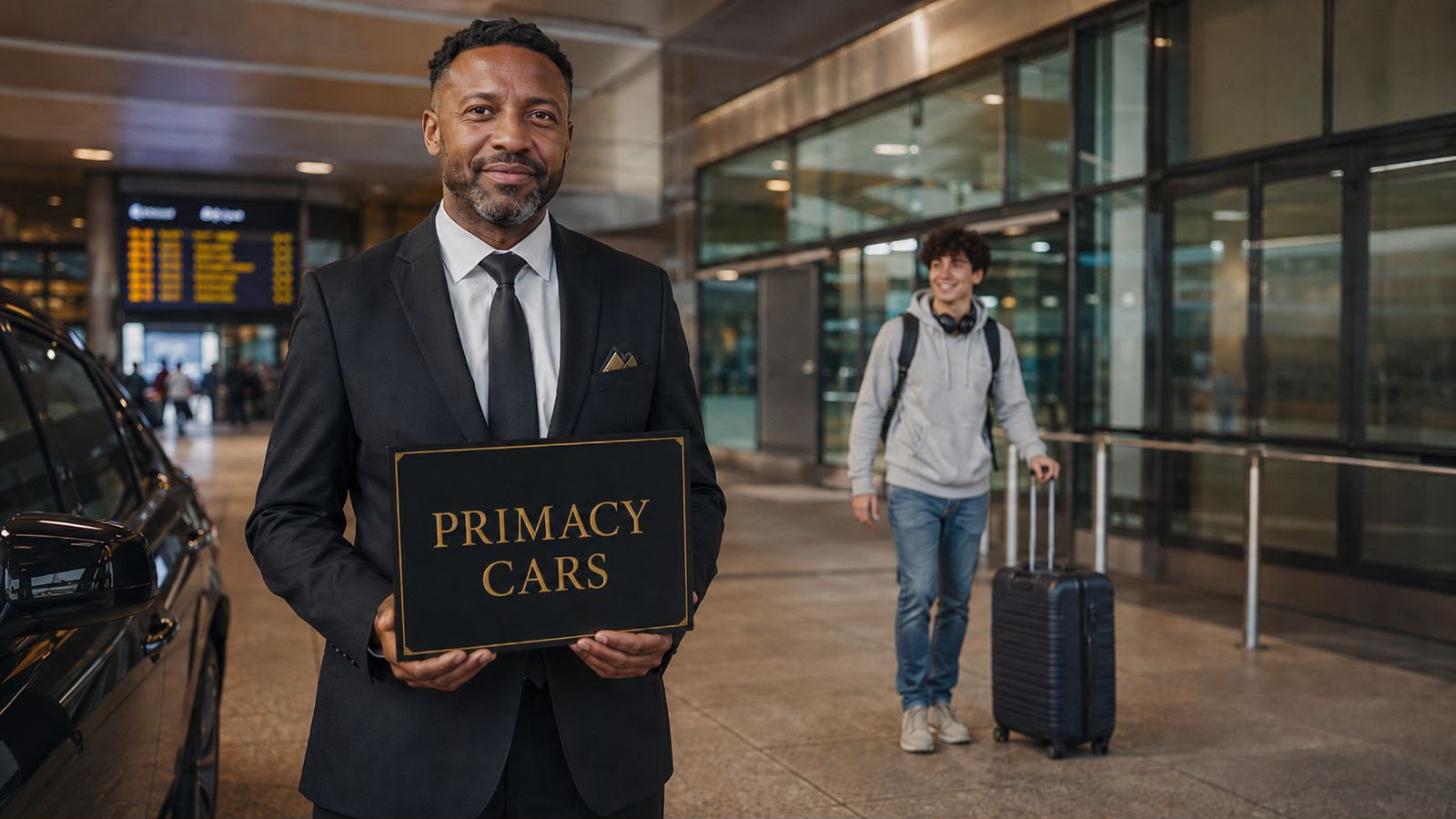
Every summer, Cambridge fills with students from across the world. They arrive at airports they have never seen, in a country whose language some of them are only beginning to learn, to spend a few weeks at a summer school far from home. For most, it is a wonderful adventure. For the people who organise it, there is a quieter responsibility underneath the excitement — the duty of care for someone else's child.
I have spent years moving these students, and I have come to believe something that sounds odd from a company with a fleet of executive cars: the cars are the easy part. Any competent firm can put a clean vehicle at an airport. The hard part — the part that actually matters — is everything around the journey. It is the trust a parent places in a school, the school places in us, and a nervous teenager places in a stranger holding a sign.
That trust is not won with a nice car. It is won with preparation most people never see.
Start with the people. Every chauffeur who works on a school journey holds an enhanced DBS check — and not as a one-time snapshot filed away and forgotten. We maintain them on a subscription basis through the Update Service, so a check is current and re-verifiable at any moment, not a piece of paper that was true two years ago. Safeguarding training is kept live through the licensing cycle. A school's safeguarding lead should never have to take our word for it; they should be able to see it, and they can.
Then there is the question every parent and every safeguarding lead really asks: how will my child know who to go with? This is where most of the genuine risk lives — a tired teenager in a busy arrivals hall, looking for someone they have never met. So before each journey, the student receives a digital pass on their phone, in their own language — we provide thirteen — showing their chauffeur's photograph, name and credentials, the vehicle, and how to reach us. They know exactly who is collecting them before they land. The school and its representatives receive the same pass. And because the school distributes it, we never need to hold a student's or parent's personal contact details at all — a safeguarding concern turned into a safeguard.
The wording on that pass matters more than you might think. We learned this from a school principal, who gently pointed out that our early safety language — “never go with a stranger,” “do not go” — frightened the very children it was meant to protect. She was right. Reassurance keeps a child safer than alarm. So the pass now speaks calmly: travel only with your Primacy chauffeur or your group leader; if you are ever unsure, pause and call us — we are here around the clock. The substance is identical. The feeling is the opposite.
Some students arrive or leave without a school representative beside them — a single teenager, a small group, no familiar adult on the ground. For these, the journey does not end at the kerb. On request, our chauffeur checks the flight in advance, helps with luggage into the terminal, guides the student through to departures, waits until the airline's unaccompanied-minor staff take over, and stays until the aircraft has left where the airline requires it. It is not glamorous work. It is simply what you would want for your own child, done by someone who has done it many times before.
And throughout, the school can watch. Our monitoring portal lets a safeguarding lead follow each journey as it happens — en route, arrived, on board, dropped off — with the chauffeur's photograph beside it. Not to add to their workload, but to remove the worst part of their day: the not-knowing.
I want to be careful not to make this sound like a sales brochure, because it isn't one. The honest point I want to make to anyone organising a summer programme is simply this: ask your transport provider the hard questions. Not about the cars — about the children. How current are the background checks, really? What happens when a student lands and there's no one from the school there? Can you see the journey, or are you trusting that it went well? How does a child who speaks little English know who to trust?
The vehicle is visible, and it is the part everyone notices. The safeguarding is invisible, and it is the part that actually keeps a child safe.
The season is about to begin. Somewhere, a parent is about to put their teenager on a plane to a city they have never seen, and trust that the people on the other end have thought of everything. That trust is the real cargo. The cars are just how we carry it.