

A Taxi and a Chauffeur Are Not the Same Job
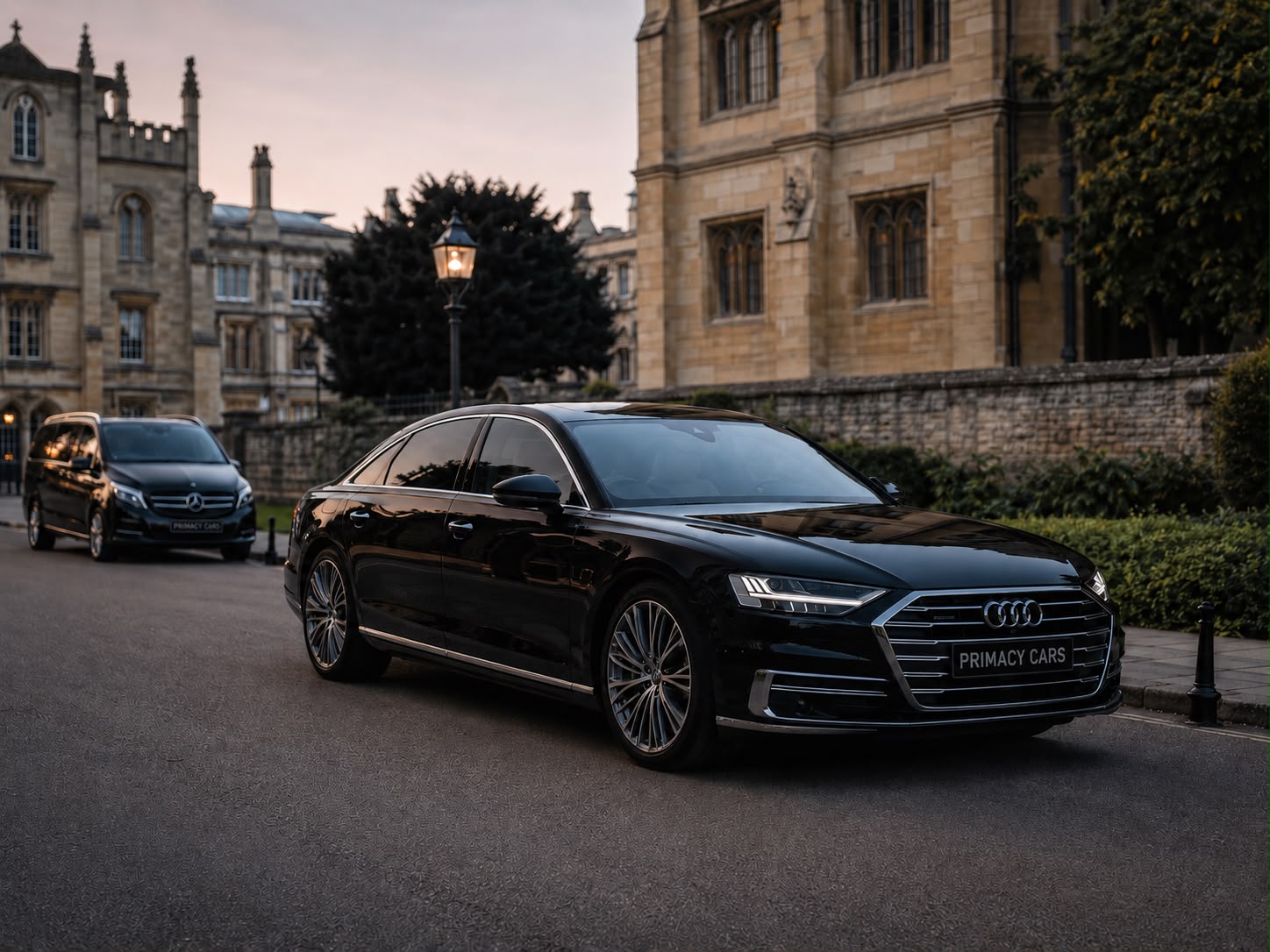
Let me say something clearly at the start, because this is a subject where it is easy to be misunderstood. I have enormous respect for on-demand drivers — I was one. I drove a taxi, and I drove for Uber, before I became an executive chauffeur. It is hard, skilled, essential work — long hours, difficult passengers, the whole city relying on you to be there at 3am in the rain. Nothing here is meant to diminish it. What I want to do is more useful: explain why on-demand driving and chauffeuring, which look almost identical from the kerb, are in fact two different jobs.
People think the line is “taxi versus private hire.” It isn't. In the UK, private hire is a single licensing category that contains two completely different businesses. Sitting inside that label are both the app-based operators and executive chauffeurs. We hold broadly the same licence. We are not remotely in the same business.
The real line is not the licence. It is the model — on-demand, or pre-arranged.
The on-demand model is the black cab, and it is equally the app on your phone. The job is availability: a car, now, for whoever needs one, dispatched to the nearest available driver, completed, next fare. It is built around the spontaneous moment. The driver and passenger are strangers, matched seconds before. Done well, it is genuinely skilful work.
The pre-arranged model — the chauffeur — is a different thing. Here the job is not availability but arrangement: a specific, named person, a planned journey, a known driver, prepared in advance. The passenger is not a stranger matched at the kerb; they are someone the chauffeur was expecting by name.
Because the on-demand job is the immediate journey, its mindset is, rightly, about throughput — completing this trip efficiently and moving to the next. The skill is speed, knowledge of the roads, reading the traffic, turning over fares. It is a craft of the present moment.
A chauffeur's job is different, and this is the part that is hard to appreciate until you have done it. The driving is almost the smallest part. The actual work is everything around the journey: knowing the flight has landed before the passenger has switched their phone on; having the car at the right temperature before the door opens; understanding whether this passenger wants to talk or wants silence; remembering that this client always has an early start, that another is arriving anxious and would rather you didn't ask.
A chauffeur is not selling a journey. They are selling the fact that you do not have to think about the journey at all.
Here is the shift, as I felt it myself. Driving a taxi, or driving for an app, your attention is on the road and the fare — the efficient completion of a transaction, the next job already waiting. As a chauffeur, your attention moves to the person. You stop thinking “how do I complete this journey” and start thinking “how do I make this person's day easier.” That reorientation — from the trip to the passenger, from efficiency to anticipation — is the whole job.
There is a flexibility difference too, and it is more profound than it looks. The on-demand model is wonderfully flexible in one direction: instant, wherever you are, whenever you tap. A chauffeur is flexible in the opposite direction — around the individual. Multi-stop days, a schedule that shifts on the morning, a guest collected, waited for, and returned three hours later. The on-demand car flexes to the city. The chauffeur flexes to you.
And is it worth the money? Here I will be honest rather than promotional. For a quick trip across town, a taxi is not just cheaper — it is the right choice, and paying chauffeur rates for it would be faintly absurd. The value of a chauffeur appears in specific situations, and it is real in those: when the person being carried matters, when the impression matters, when the journey is part of something bigger. Value is not about which costs less. It is about matching the service to what the moment is worth.
So the difference is not that one is better than the other. They are answers to different questions. “I need to get across town now” is a taxi question, and a taxi answers it superbly. “I need this particular person looked after on this particular journey” is a chauffeur question, and it needs a different craft.
I have done both, and I respect both. But the shift changed how I see the work. When I stopped driving people from A to B and started looking after them, the job stopped being about the road and became about the person in the back.